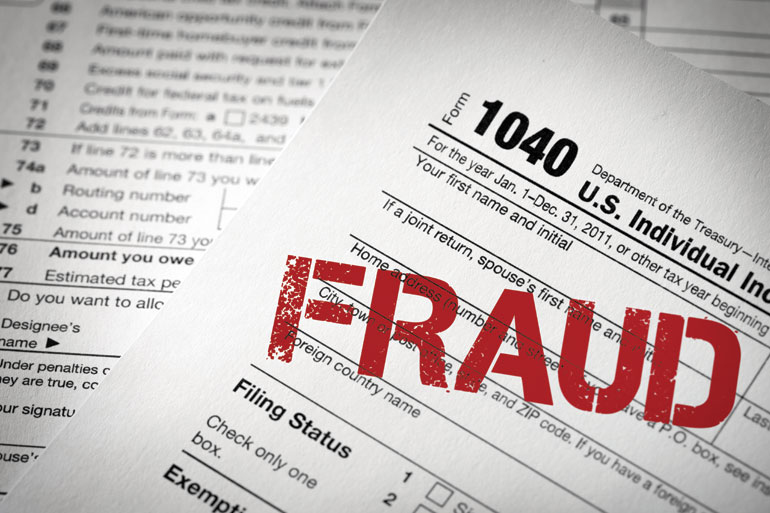
Tax compliance depends on accurate information, honest reporting, and timely payment of obligations. Most taxpayers want to follow the rules, but complicated tax forms, misleading online advice, dishonest preparers, and identity theft can create serious problems. In some situations, taxpayers may also unknowingly participate in a scheme after being promised a larger refund or special tax benefit.
The IRS continues to warn taxpayers about fraudulent schemes, particularly those promoted through social media, fake communications, and dishonest tax preparers. In 2026, understanding the difference between an honest tax mistake, a civil tax violation, and intentional misconduct is more important than ever.
People researching what is tax fraud are generally trying to understand when inaccurate tax reporting becomes more serious than an ordinary mistake.
The IRS describes fraud as conduct involving false information, failure to pay taxes owed, or the use of another person's information to obtain an improper tax benefit. Fraud can involve individuals, businesses, tax preparers, or organized schemes.
Intent is an important consideration. A mathematical mistake or misunderstanding of a complicated tax rule is not automatically the same as deliberately providing false information.
Tax-related misconduct can take many forms. Examples may include:
The IRS specifically warns about schemes that encourage taxpayers to submit false information in order to obtain refunds or credits.
Tax returns can be complicated, and honest errors happen. A taxpayer might enter an incorrect number, misunderstand a deduction, overlook income, or make another unintentional mistake.
That does not automatically mean the taxpayer committed fraud.
However, taxpayers should correct known errors rather than allowing inaccurate information to remain unaddressed. If an individual discovers a significant problem with a previously filed return, consulting a qualified tax professional can help determine what corrective steps may be appropriate.
Taxpayers should be careful when selecting a professional to prepare their returns. A dishonest preparer might promise an unusually large refund, falsify information, claim deductions without documentation, or encourage a taxpayer to sign an inaccurate return.
The IRS warns taxpayers to be cautious of preparers who refuse to sign returns, falsify information, place refunds into their own accounts, or fail to provide proper documentation.
Importantly, taxpayers generally remain responsible for the information submitted on their returns, even when another person prepares the return.
Social media has become an increasingly important source of financial information, but viral tax advice is not necessarily reliable.
The IRS's 2026 Dirty Dozen warnings specifically identify misleading tax advice on social media as a significant concern. Some online schemes encourage taxpayers to claim credits they do not qualify for or enter false information on tax forms.
A tax strategy that sounds attractive online should be verified against official IRS guidance or discussed with a qualified professional before being used.
Not every fraudulent tax return is created by the person whose name appears on it. Criminals can steal Social Security numbers and other personal information and use it to file false returns.
A victim may discover the problem only after receiving an IRS notice or discovering that a legitimate return has already been filed using their information. The IRS recommends protective measures such as securing personal information and using an Identity Protection PIN when appropriate.
Taxpayers who suspect identity theft should take action promptly rather than assuming the problem will resolve itself.
Tax-related scams frequently involve criminals pretending to represent the IRS. These scams can arrive through emails, text messages, phone calls, websites, or social media.
The IRS warns that scammers may create a sense of urgency by threatening arrest, demanding immediate payment, or promising a refund. Taxpayers should be especially cautious about unsolicited requests for personal information or unusual payment methods.
Understanding these warning signs can help taxpayers avoid becoming victims.
The consequences of fraudulent tax activity can be significant. Depending on the conduct and applicable law, taxpayers may face additional tax, interest, civil penalties, or criminal prosecution.
The IRS states that fraudulent or false statements can potentially result in substantial fines and imprisonment under federal law.
Civil fraud penalties may also apply in appropriate circumstances. Because the consequences can vary substantially, anyone facing an allegation of intentional tax misconduct should consider obtaining qualified legal advice before responding.
Discovering inaccurate information on a tax return does not mean a taxpayer should panic. The appropriate response depends on what happened, why it happened, and whether the issue affects the amount of tax reported.
Potential steps may include:
Prompt action can help prevent a relatively manageable issue from becoming more complicated.
People who have credible information about another person or business engaging in tax violations can report the matter to the IRS. The agency provides options for confidentially reporting suspected fraud, scams, evasion, and other tax-law violations.
The IRS also introduced a centralized fraud-reporting process in 2026 to make it easier for taxpayers to submit information about suspected wrongdoing.
Reports should be based on specific, credible information rather than speculation.
Preventing tax problems starts with accurate records and careful decision-making. Taxpayers should keep documentation supporting income, deductions, credits, expenses, and other information reported on their returns.
It is also wise to verify tax advice before acting on it, especially when the advice promises unusually large refunds or claims that ordinary tax rules do not apply.
Choosing a reputable tax professional and reviewing a return before signing it can provide another layer of protection.
A taxpayer may benefit from professional assistance when the IRS has raised questions about intentional misconduct, significant discrepancies, fraudulent deductions, identity theft, or other serious issues.
A tax attorney can review the circumstances, explain potential legal consequences, and help a taxpayer understand appropriate options for responding to an IRS inquiry.
Professional guidance can be particularly important when criminal exposure may be possible because statements made during an investigation can have significant consequences.
Accurate tax reporting is essential for individuals and businesses, but taxpayers should also recognize that fraud can occur through identity theft, dishonest preparers, misleading online schemes, and deliberate false reporting. Staying informed and verifying tax information through trustworthy sources can reduce unnecessary risks.
The best approach is to maintain accurate records, question suspicious tax advice, review returns carefully, and address potential problems promptly. When an issue involves substantial amounts or allegations of intentional misconduct, obtaining qualified professional guidance can help a taxpayer understand the situation and take appropriate steps.

This post has been authored and published by one of our premium contributors, who are experts in their fields. They bring high-quality, well-researched content that adds significant value to our platform.












Canada Trends is your trusted source for trending news, lifestyle insights, business updates, technology developments, entertainment stories, and informative content from Canada and around the world.