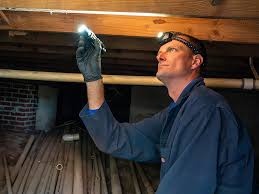
A home can look beautiful on the outside while hidden wood damage develops behind walls, beneath flooring, or inside structural components. In Florida, warm temperatures and moisture can create favorable conditions for termites and other organisms that attack or damage wood. Because these problems are not always obvious during a routine walk-through, homeowners and buyers need to understand the importance of specialized property evaluations.
A wood destroying organism inspection is designed to identify visible evidence of organisms that can damage wood and document conditions that may require further attention. For anyone buying, selling, or maintaining a home, understanding this type of inspection can be an important part of responsible property ownership.
Wood-destroying organisms, often referred to as WDOs, include insects and other organisms capable of damaging wood components in a structure.
Termites are among the most recognized examples. However, other wood-damaging insects and organisms may also affect residential properties. Depending on the circumstances, inspectors may look for evidence associated with termites, carpenter ants, wood-boring beetles, fungal decay, and other conditions within the applicable inspection scope.
The key concern is not simply whether an insect is present. Damage to wood components can potentially affect maintenance needs and, in more serious situations, contribute to structural concerns.
Florida's climate creates conditions that can encourage termite activity and wood deterioration. Warm temperatures, humidity, rainfall, landscaping, and moisture around structures can all contribute to an environment where wood-damaging organisms may thrive.
Some signs are easy to notice, such as damaged wood or visible insects. Others can remain hidden for extended periods.
This is why a wood destroying organism inspection can be valuable when purchasing an existing property. Identifying warning signs early gives homeowners an opportunity to seek appropriate professional advice before a seemingly minor concern becomes more complicated.
The exact scope can vary depending on the property and applicable requirements, but a qualified inspector may examine accessible areas for visible evidence of wood-destroying activity or damage.
Potential indicators can include:
Inspectors may also examine areas around the foundation, crawlspaces, garages, exterior walls, attics, and other accessible locations where evidence may be present.
Importantly, an inspection is generally limited by accessibility. Concealed areas may require additional investigation by an appropriate specialist.
Buying a home is a major financial commitment. A standard home inspection provides broad information about many accessible components, but a specialized WDO evaluation addresses a different concern.
A buyer may be especially interested in this service when purchasing an older property, a home with extensive landscaping, or a property where moisture or previous pest activity has been observed.
Discovering evidence of wood damage before closing can give buyers an opportunity to ask questions and seek additional evaluations where necessary. Depending on the findings, professional pest-control, structural, or repair recommendations may be appropriate.
The goal is not to create unnecessary concern. It is to provide useful information before a buyer commits to a property.
WDO concerns are not limited to buyers. Sellers can also benefit from understanding their property's condition before listing it.
A wood destroying organism inspection can help identify visible evidence that may become a point of discussion during negotiations. Knowing about potential concerns in advance gives sellers more time to investigate, obtain estimates, address appropriate repairs, or provide relevant documentation.
Being proactive can also make communication with real estate professionals and prospective buyers more straightforward.
Homeowners should pay attention to changes that could indicate wood-destroying activity or moisture-related deterioration.
Common warning signs may include small holes in wooden surfaces, discarded wings near windows, hollow-sounding wood, mud tubes, unexplained wood damage, or doors and windows that suddenly become difficult to operate.
However, these signs do not automatically confirm an active infestation. Similar symptoms can result from moisture, age, construction characteristics, or other causes.
When something unusual appears, professional evaluation is generally more reliable than attempting to determine the cause based solely on appearance.
While inspections can identify evidence, prevention is an equally important part of protecting a home.
Homeowners should address plumbing leaks promptly, maintain gutters and downspouts, keep water directed away from the foundation, and avoid unnecessary wood-to-soil contact. Proper ventilation in applicable areas can also help reduce moisture-related deterioration.
Regularly inspecting exposed wood and maintaining the property's exterior can make it easier to notice changes before they become significant.
One important distinction is that an inspection and pest treatment are different services. An inspector may identify evidence or conditions associated with wood-destroying organisms, but treatment decisions should be handled by appropriately qualified pest-management professionals.
Likewise, if significant structural damage is suspected, a qualified contractor or structural professional may need to evaluate the affected components.
Understanding these different roles helps homeowners take the right next step based on the inspection findings.
Because wood-destroying activity can sometimes be difficult to recognize, homeowners should select an experienced inspector who understands Florida residential construction and the applicable inspection requirements.
A thorough evaluation should clearly communicate observed conditions and distinguish between visible evidence, suspected concerns, and areas that could not be inspected.
For buyers, sellers, and homeowners alike, good inspection information can support better decisions without unnecessary assumptions.
A wood destroying organism inspection can provide valuable insight into conditions that may otherwise remain unnoticed. For Florida property owners, recognizing the potential effects of termites, moisture, and other wood-damaging organisms is an important part of long-term home maintenance.
No inspection can guarantee that a property will never experience pest activity. However, identifying warning signs, addressing moisture problems, maintaining the structure, and seeking specialist assistance when necessary can help homeowners respond proactively.
For anyone purchasing or selling a Florida home in 2026, understanding the condition of the property's wood components can provide greater confidence throughout the real estate process. A wood destroying organism inspection is one practical step toward making informed decisions and protecting one of the largest investments most people will ever make.

This post has been authored and published by one of our premium contributors, who are experts in their fields. They bring high-quality, well-researched content that adds significant value to our platform.









Canada Trends is your trusted source for trending news, lifestyle insights, business updates, technology developments, entertainment stories, and informative content from Canada and around the world.