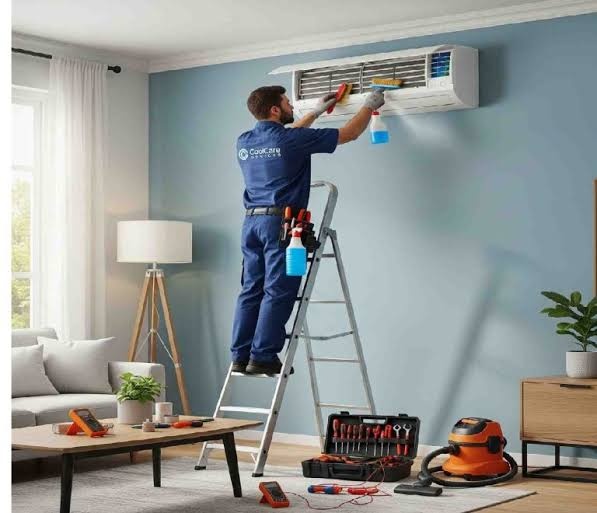
A reliable air conditioner is essential for maintaining a comfortable indoor environment, especially in regions where cooling systems operate for long periods of the year. However, even a high-quality AC unit can experience declining performance when routine maintenance is overlooked.
Dust, restricted airflow, clogged drains, dirty coils, electrical wear, and normal component deterioration can gradually affect an air conditioner's performance. Professional AC Maintenance Services provide homeowners and businesses with a proactive way to inspect their cooling systems, identify developing problems, and maintain dependable operation.
As HVAC technology continues to advance in 2026, regular maintenance is becoming even more important. Modern systems often include sophisticated controls, variable-speed technology, and connected features that require proper servicing to perform as intended.
An air conditioning system consists of numerous components that must work together. The indoor air handler, outdoor condenser, thermostat, electrical components, coils, blower, and drainage system all contribute to overall performance.
When one component becomes dirty, damaged, or inefficient, the system may need to work harder to maintain the desired temperature.
Routine maintenance can help identify potential concerns involving:
Finding problems early can help reduce the possibility of unexpected breakdowns during periods of heavy cooling demand.
Many homeowners wait until their air conditioner stops working before calling a professional. However, changes in performance can provide an early warning that the system needs attention.
Watch for signs such as:
If less air is coming from the vents than usual, the problem could involve a clogged filter, blower, ductwork, or another HVAC component.
Rooms that remain noticeably warmer or cooler than others may indicate airflow problems, thermostat issues, ductwork concerns, or equipment performance problems.
Grinding, rattling, buzzing, or clicking sounds should not be ignored. These noises can sometimes indicate worn or loose components.
An air conditioner that turns on and off more often than expected may have an airflow, thermostat, sizing, or mechanical issue.
If cooling costs increase without a major change in usage, an inefficient or poorly maintained system may be working harder than necessary.
Professional AC Maintenance Services go beyond simply replacing an air filter. A qualified technician can inspect and test important parts of the cooling system.
Depending on the equipment, a maintenance visit may include:
The exact procedures vary according to the system type, age, manufacturer, and maintenance requirements.
The air filter is a small component that can have a significant effect on airflow. When a filter becomes heavily loaded with dust, the HVAC system may have difficulty moving air efficiently.
Homeowners should inspect filters regularly and replace or clean them according to manufacturer recommendations.
Filter requirements depend on several factors, including:
Using the correct filter is also important. A filter that is too restrictive for a particular system may negatively affect airflow.
Energy efficiency is a major consideration for homeowners and businesses. An air conditioner with dirty coils, restricted airflow, or developing mechanical problems may need to operate longer to achieve the same cooling result.
Professional maintenance can help support:
Maintenance cannot turn an old system into a new high-efficiency unit, but it can help an existing system operate closer to its intended condition.
Air conditioning systems do more than lower temperature. During normal cooling operation, they also remove moisture from indoor air.
If an AC system is not operating properly, a property may feel warm or damp even when the thermostat shows an acceptable temperature.
Professional maintenance can identify conditions that may affect cooling and moisture removal. If humidity remains a concern, an HVAC professional may recommend additional solutions such as dedicated dehumidification.
HVAC technology is becoming increasingly connected. Smart thermostats, sensors, and advanced controls can provide homeowners with greater visibility into their cooling systems.
Depending on the equipment, modern technology may offer:
These features can make HVAC management more convenient, but connected technology does not eliminate the need for professional maintenance.
Physical components still require inspection, cleaning, and testing.
There is no single maintenance schedule that works for every air conditioner. Equipment age, usage, climate, manufacturer recommendations, and operating conditions can all influence maintenance requirements.
Following the manufacturer's maintenance recommendations is a good starting point. Property owners should also consider professional service before periods of particularly heavy cooling demand.
Regular inspections can make it easier to identify gradual changes before they develop into significant problems.
Maintenance and repair have different purposes.
Maintenance is preventive. It focuses on inspection, cleaning, testing, and identifying developing concerns.
Repair is necessary when a component has already failed or is no longer operating properly.
For example, routine maintenance might reveal a deteriorating electrical connection before it causes a system failure. If a component has already stopped working, however, professional repair may be required.
This is why maintenance remains valuable even when an air conditioner appears to be operating normally.
Routine maintenance can support equipment longevity, but every air conditioner eventually reaches the end of its practical service life.
Replacement may be worth considering when:
An HVAC professional can compare the cost of continued repairs with the potential benefits of modern replacement equipment.
When searching for AC Maintenance Services, property owners should look for an HVAC provider with experience working with both traditional and modern cooling equipment.
Important factors include:
A dependable technician should inspect the overall system instead of focusing on only one component.
Regular AC maintenance is an important part of keeping a cooling system dependable, particularly when the equipment operates frequently. Professional service can help property owners identify developing issues, maintain appropriate airflow, support efficient operation, and reduce the risk of unexpected failures.
In 2026, modern HVAC systems offer advanced controls, variable-speed technology, and smart monitoring features. These innovations can improve comfort and convenience, but proper installation and routine professional care remain essential.
By following manufacturer recommendations, replacing filters appropriately, paying attention to changes in performance, and scheduling professional inspections, homeowners and businesses can take a proactive approach to cooling system care.
Investing in preventive HVAC maintenance today can help support reliable indoor comfort when it matters most.

This post has been authored and published by one of our premium contributors, who are experts in their fields. They bring high-quality, well-researched content that adds significant value to our platform.








Canada Trends is your trusted source for trending news, lifestyle insights, business updates, technology developments, entertainment stories, and informative content from Canada and around the world.