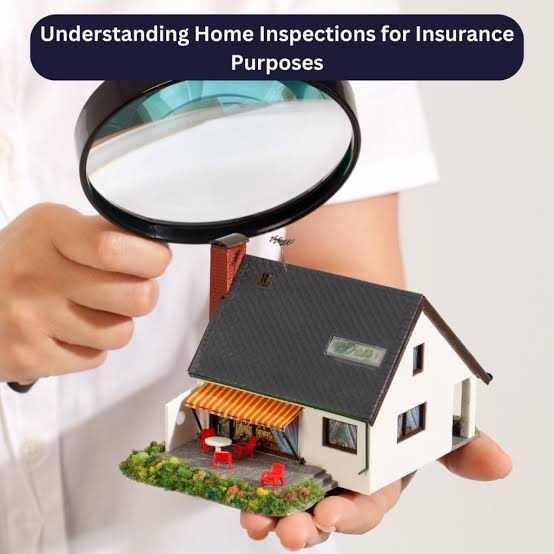
Homeowners insurance is an important part of protecting a property, but getting or maintaining coverage can involve more than simply choosing a policy. Insurance companies may require homeowners to provide information about the condition, age, and safety features of a property before issuing or renewing coverage.
For Florida homeowners, this process can be especially important because properties are exposed to weather, moisture, wind, and other conditions that can affect building systems over time. Having a homeowners insurance inspection checklist can help you prepare for an inspection and identify areas that may need attention.
A homeowners insurance inspection is an evaluation of certain aspects of a property that may be relevant to insurance coverage and risk. The exact requirements vary by insurance company and policy, so homeowners should confirm what documentation or inspections their insurer requires.
Depending on the property and the purpose of the inspection, insurance-related evaluations may include a wind mitigation inspection, four-point inspection, roof certification, or other specialized assessments.
A good homeowners insurance inspection checklist can help homeowners understand which areas may need to be reviewed before an inspector arrives.
The roof is one of the first areas homeowners should review when preparing for an insurance inspection. Insurers may be interested in the roof's age, condition, materials, installation, and visible signs of deterioration.
Look for obvious concerns such as:
Homeowners should also gather any available documentation showing the roof's installation date, repairs, replacement, or upgrades.
Because roof requirements can vary between insurers, do not assume that a particular roof age or material automatically qualifies for coverage. Confirm the current requirements with your insurance provider.
Florida properties can benefit from features designed to reduce wind-related damage. A wind mitigation inspection may document construction characteristics such as roof-to-wall connections, roof shape, opening protection, and other wind-resistant features.
Before an inspection, homeowners can gather documentation for improvements such as impact-rated windows, storm shutters, reinforced garage doors, or other approved protective features.
This information may help an inspector accurately document the property's existing features for the insurance company.
Electrical systems are another important consideration, particularly in older homes.
Homeowners should be aware of the general condition and age of electrical components, including the electrical panel and visible wiring. Signs of damage, overheating, exposed wiring, or other electrical concerns should not be ignored.
If an electrical problem is suspected, it is best to have it evaluated by a qualified electrician rather than attempting repairs yourself.
Plumbing concerns can lead to water damage, which makes the condition of plumbing systems relevant when evaluating property risk.
Look for visible leaks beneath sinks, around water heaters, near toilets, and around other plumbing fixtures. Check for signs of corrosion, moisture damage, or previous leaks.
Homeowners should also know the approximate age of their water heater and keep records of replacements or major plumbing work when available.
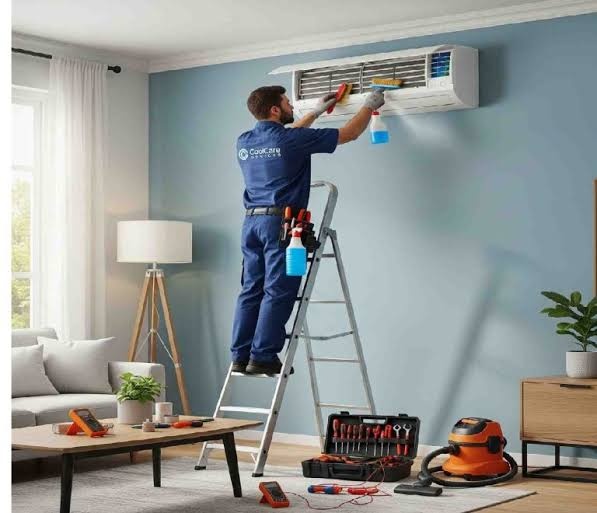
Heating, ventilation, and air-conditioning equipment can also be part of a broader property condition review.
Check for visible signs of damage, unusual leaks, or other obvious problems around the HVAC equipment. Keeping service and replacement records can make it easier to provide accurate information about the system.
Regular maintenance is valuable not only for comfort but also for identifying developing issues before they become more expensive.
A property should also be reviewed for basic safety concerns. Depending on the insurance company's requirements, inspectors may document features such as smoke detectors, handrails, stairs, electrical safety components, and other visible conditions.
Make sure smoke and carbon monoxide detectors are installed where appropriate and functioning properly. Repair damaged stairs, loose railings, or other obvious safety concerns.
One of the easiest ways to prepare is to collect property records before the inspection.
A useful homeowners insurance inspection checklist should include documentation such as:
Having these documents available can help reduce uncertainty and provide an inspector with useful information about the property.
Older Florida homes may require or benefit from a four-point inspection depending on the insurance company's requirements. A four-point inspection typically focuses on four major systems: roofing, electrical, plumbing, and HVAC.
The purpose is to document the general condition and characteristics of these systems for insurance-related purposes.
If your insurer requests a four-point inspection, confirm the exact requirements and acceptable inspection form before scheduling.
A wind mitigation inspection is another important consideration for Florida homeowners. It documents features that may help a home resist wind damage and may potentially affect insurance eligibility or premiums depending on the insurer and policy.
Homeowners should not assume that completing an inspection automatically guarantees an insurance discount. The insurance company determines how inspection results are applied to the policy.
One of the most practical steps on any homeowners insurance inspection checklist is to address visible problems before the inspection whenever possible.
Fix active plumbing leaks, repair obvious roof damage, replace damaged electrical components through a qualified professional, and correct other known issues.
The goal should not be to hide problems. Instead, homeowners should use the inspection as an opportunity to understand the property's condition and address legitimate concerns properly.
Insurance inspections can seem stressful when homeowners do not know what to expect. Preparation can make the process much easier.
Start by asking your insurance company exactly which inspection or documentation is required. Then review the roof, electrical system, plumbing, HVAC equipment, wind-resistant features, and safety components. Gather supporting documents and address known problems appropriately.
A well-organized homeowners insurance inspection checklist can help Florida homeowners approach the process with greater confidence and avoid unnecessary surprises.
Most importantly, remember that insurance requirements can change between companies and policies. Always confirm current requirements directly with your insurer and use qualified professionals for specialized inspections and repairs.

This post has been authored and published by one of our premium contributors, who are experts in their fields. They bring high-quality, well-researched content that adds significant value to our platform.









Canada Trends is your trusted source for trending news, lifestyle insights, business updates, technology developments, entertainment stories, and informative content from Canada and around the world.