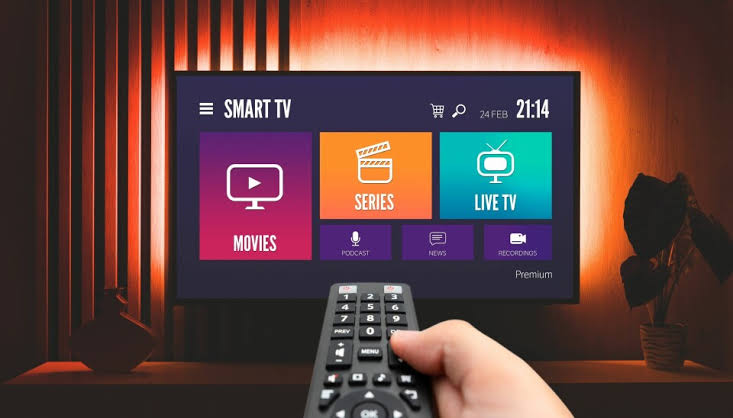
Television is changing quickly. The way we watch live channels, sports, movies, and TV shows is becoming more flexible and internet-based. In Australia, IPTV Australia is becoming an important part of this change.
As smart TVs become more common and internet connections continue to improve, viewers are looking for simple ways to access entertainment on different devices. IPTV can provide live television and on-demand content through an internet connection, making it a useful option for modern households.
So, what can we expect from IPTV in 2026 and beyond? We can expect better streaming technology, easier applications, improved picture quality, wider device support, and more personalized viewing experiences.
IPTV Australia refers to television content delivered through an internet connection. Instead of depending on traditional cable or satellite systems, IPTV uses internet technology to send video content to compatible devices.
Depending on the provider and its content rights, IPTV services may include:
The exact content can vary between providers, so viewers should always check what is included before subscribing.
An IPTV subscription Australia plan provides access to selected live channels and other entertainment content for a specific period.
In the future, IPTV subscriptions are likely to focus more on flexibility, device compatibility, streaming quality, and user experience.
When comparing a subscription, we should consider:
The best subscription is not necessarily the one with the biggest channel number. It should provide the content and features we actually want.
There are several reasons IPTV continues to attract attention.
Modern viewers want more control over their entertainment. They do not always want to follow a fixed television schedule. They also want to watch content on Smart TVs, phones, tablets, and computers.
IPTV fits well with these changing habits because it uses internet-connected devices.
As Australian households continue to adopt faster broadband and Smart TVs, internet-based television can become even more convenient.
One of the biggest improvements we can expect is better picture quality.
Modern services already support different formats, including:
In the coming years, improvements in compression technology and internet infrastructure could make high-quality streaming more efficient.
However, picture quality will still depend on the content source, provider, device, and internet connection.
Nobody enjoys buffering while watching a favourite program.
Future IPTV services are likely to focus heavily on streaming stability and speed.
Better infrastructure can help reduce:
Improved broadband networks can also help households stream higher-quality content more smoothly.
Smart TVs are becoming a central part of modern homes.
In the future, IPTV applications may become easier to use and better integrated with Smart TV operating systems.
Users could benefit from:
This can make IPTV feel more like a natural part of the television rather than a separate service.
The future of television is not limited to one screen.
People now use:
Future IPTV services are likely to continue supporting more devices and operating systems.
This will allow viewers to move between screens more easily while maintaining a consistent viewing experience.
Personalization is becoming a major part of digital entertainment.
Instead of showing the same content to everyone, future IPTV platforms may use viewing preferences to make content discovery easier.
For example, a platform could recommend:
This could save viewers time when searching through large content libraries.
Video on Demand, or VOD, is already an important part of many streaming services.
In the future, VOD platforms may offer better search tools, improved recommendations, and more organized libraries.
Viewers may be able to quickly find:
The focus will likely be on making large content libraries easier to navigate.
The Electronic Program Guide, or EPG, is another area that can improve.
A modern EPG can show:
Future EPG systems could become more interactive and easier to personalize.
This would be especially helpful for IPTV services with large numbers of channels.
Sports will continue to be an important part of television.
Australian viewers follow sports such as:
IPTV can provide access to sports channels when the provider has the appropriate distribution rights.
Future streaming technology may also improve the sports viewing experience through better video quality, faster delivery, and interactive features.
However, viewers should always use services that are properly licensed to distribute the sports content they offer.
Australia has a diverse population with strong interest in international television.
IPTV services can potentially bring together content from different regions, depending on licensing arrangements.
Viewers may find programming from:
This makes IPTV attractive to people who want both Australian and international entertainment in one place.
Finding a specific program can become difficult when a service has thousands of channels.
Future IPTV platforms may make better use of:
Instead of scrolling through long channel lists, viewers could simply search for the content they want.
The future of IPTV will not only be about adding more channels.
A large channel list is useful only when users can easily find and watch what they want.
Future services are likely to focus more on:
A simple user experience can make a major difference.
As IPTV becomes more popular, viewers should pay close attention to security and content licensing.
A trustworthy IPTV provider should clearly explain its service and have the appropriate rights to distribute the content it offers.
Before subscribing, we should avoid services that make unrealistic promises or provide unclear information about their content.
Choosing a legitimate service also helps protect users from unnecessary security and payment risks.
Better video quality generally requires a reliable internet connection.
As a simple guide:
Actual requirements vary depending on the video source, compression, device, and streaming service.
As internet networks improve, high-quality streaming should become easier for more households.
It is difficult to say that IPTV will completely replace traditional television.
Instead, we are likely to see different forms of television and streaming continue to exist together.
Viewers will choose services based on:
IPTV is likely to remain an important part of this wider entertainment ecosystem.
The next few years could bring several improvements to IPTV.
We can expect continued development in:
The exact features will vary between providers, but the overall direction is clear: television is becoming more connected, flexible, and personalized.
If we want to get the most from IPTV in the coming years, we should start with a strong foundation.
A good setup includes:
Keeping devices and applications updated can also help maintain compatibility as technology changes.
The future of IPTV Australia looks closely connected to the wider growth of internet-based entertainment. In 2026 and beyond, viewers can expect continued improvements in streaming quality, Smart TV integration, device compatibility, personalization, search, and overall user experience.
An IPTV subscription Australia can provide a flexible way to access live television and on-demand entertainment, but the quality of the experience depends heavily on the provider, content rights, device, and internet connection.
The most important trend is simple: viewers want television that is easy to access, flexible, high quality, and suited to their individual needs. As technology continues to develop, IPTV is well positioned to remain an important part of Australia's changing television landscape.

This post has been authored and published by one of our premium contributors, who are experts in their fields. They bring high-quality, well-researched content that adds significant value to our platform.










Canada Trends is your trusted source for trending news, lifestyle insights, business updates, technology developments, entertainment stories, and informative content from Canada and around the world.